Key Takeaways
Melbourne’s op-shopping scene changes character from suburb to suburb, so you can choose an area that suits your budget, taste and patience.
- Fitzroy and St Kilda are strong choices for vintage clothing and distinctive accessories.
- Prahran, Windsor and Camberwell suit shoppers looking for polished or designer secondhand pieces.
- Brunswick, Footscray and Richmond offer practical browsing across clothing, books and homewares.
- Northcote, Thornbury, Abbotsford and Hawthorn reward slower, more eclectic exploring.
- Take measurements, inspect condition carefully and leave room for an unexpected find.
1. Fitzroy for vintage fashion and curated finds
Fitzroy is an easy place to begin if your idea of op shopping includes bold prints, unusual silhouettes and clothing with a past life. You can wander between vintage-focused stores, smaller curated shops and places where accessories share the spotlight with garments. The neighbourhood suits a relaxed afternoon rather than a rushed dash through one crowded rack.
Look for pieces that have a clear point of view: a patterned shirt, an old leather belt, a structured jacket or jewellery that changes the feel of a simple outfit. Curated stores may ask more than a standard charity shop, but the rails are often easier to navigate and the selection can feel more considered. A little patience pays off when you are trying to find something distinctive rather than merely inexpensive.
Give yourself time to inspect fabric, fastenings and linings before buying. Fitzroy is also a pleasant area for combining a clothing search with a coffee stop, which makes it easier to take a break and think about whether a piece will genuinely work with what you already own. If you are building a smaller wardrobe, aim for items you can wear in several ways.
2. Prahran and Windsor for designer resale and clothing
Prahran and Windsor are good areas to explore when you want secondhand clothing with a more polished, fashion-led feel. You will find opportunities to browse better-known labels, occasionwear, accessories and contemporary pieces alongside more familiar op-shop stock. The appeal is less about rummaging through everything and more about finding a garment that already fits the direction of your wardrobe.
Before you set out, decide what you are actually seeking. A list such as “black blazer”, “leather boots” or “linen trousers” keeps you focused when prices and presentation make every rail look tempting. Check the cut, fabric and signs of wear, and remember that a recognisable label does not automatically make an item a good buy.
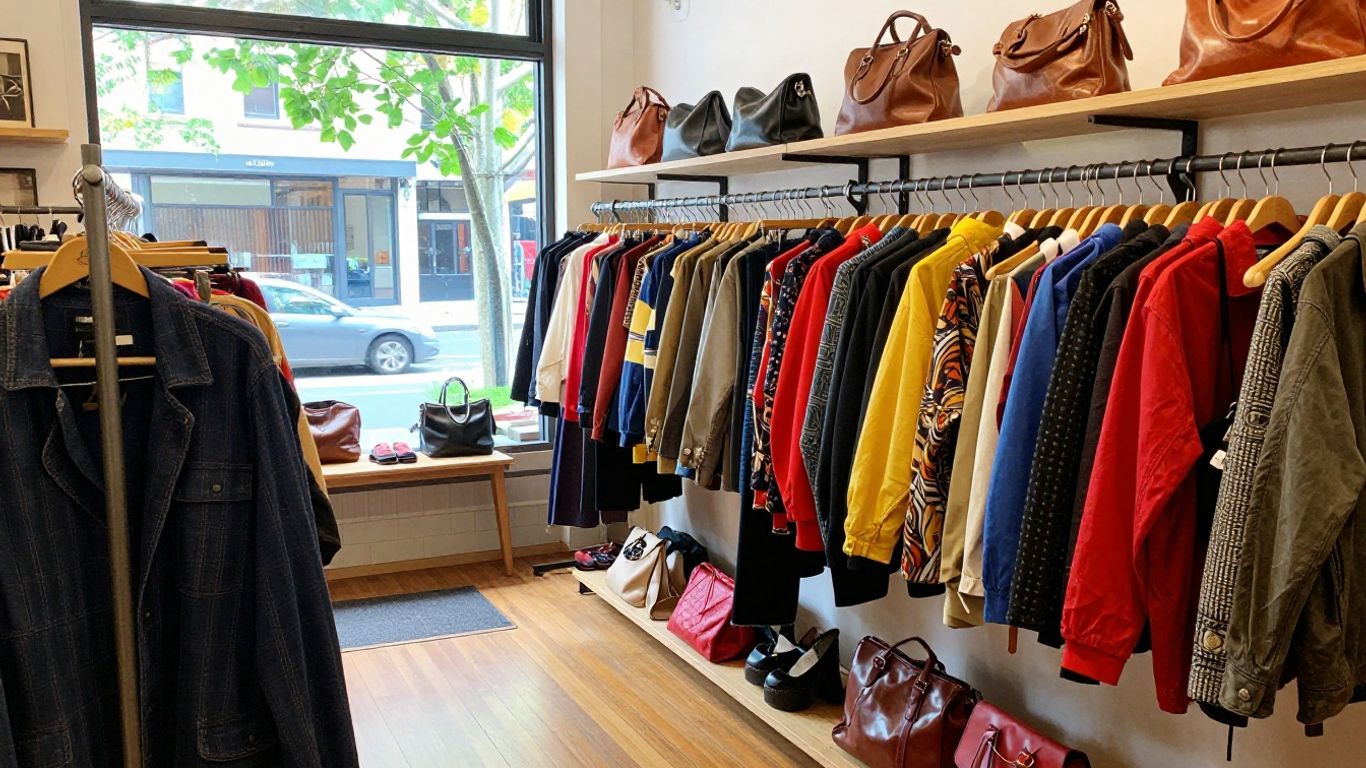
A measured approach works particularly well here. Compare the asking price with the garment’s condition, consider likely alteration costs and check whether the piece is comfortable enough to wear regularly. You may find one excellent item quickly, or you may need to visit more than one shop before the right size and style appear.
3. Brunswick for affordable clothes, books, and homewares
Brunswick has the kind of op-shopping mix that rewards curiosity. Clothing may sit alongside books, kitchenware, records, small furniture and decorative objects, so you can move from wardrobe browsing to a search for something useful at home. It is a practical choice when you want variety without making the whole outing about fashion.
The best way to browse is to start with a simple priority and then stay open to adjacent finds. If you need everyday clothes, inspect the basics first, then look through the homewares for sturdy pieces that can replace something you would otherwise buy new. Books can be especially satisfying here because a quick scan may reveal cookbooks, novels or art titles you had not planned to seek.
A rough guide can help you decide where to spend your time:
| You are looking for | Start with | What to check |
|---|---|---|
| Everyday clothing | Clothing racks | Fabric, seams and stains |
| Reading material | Book shelves | Missing pages and inscriptions |
| Kitchen items | Homewares shelves | Chips, cracks and working parts |
| Decorative pieces | Mixed displays | Size, weight and practical use |
After browsing, think about how each item fits into your existing life. A low price is not much of a saving if a book will never be read or a kitchen item has no place to live. Brunswick is at its best when you treat op shopping as a way to find useful, individual things rather than simply collecting bargains.
4. Richmond for charity shops and quality secondhand goods
Richmond offers a useful balance between straightforward charity-shop browsing and better-quality secondhand goods. You can look for clothing, shoes, books and household pieces without needing a highly specific vintage brief. It is a good suburb for a practical wardrobe refresh or for finding an item that has been priced with everyday use in mind.
As you move through the racks, check the basics that are easy to overlook: underarms, hems, pockets and zips. For shoes, look at the soles and inside lining, and for homewares, examine handles, hinges and electrical cords where relevant. These small checks help you distinguish a genuinely useful find from something that will need more work than you expected.
Richmond can also suit a planned route because the shopping streets offer plenty of opportunities to pause between stores. Carry a reusable bag, wear comfortable shoes and avoid filling your arms too early in the day. A slower pace makes it easier to compare similar pieces and choose the one you are most likely to wear or use.
5. Northcote and Thornbury for eclectic op shopping
Northcote and Thornbury are worth considering when you enjoy the unpredictable side of secondhand shopping. The selection can move between retro clothing, everyday garments, books, records, bric-a-brac and homewares, with plenty of room for a find that does not fit neatly into a trend. You may set out for a jumper and come home with a framed print instead.
That variety is part of the fun, but it helps to keep your standards clear. Ask yourself whether the colour, shape or object has a place in your home or wardrobe, and whether you would choose it if it were not priced cheaply. When something is unusual, check its condition twice; novelty can make small flaws easier to ignore.
These suburbs also reward repeat visits because secondhand stock changes constantly. You do not need to buy on every outing. Sometimes the most useful trip is one where you learn which areas suit your taste, note the kinds of items you keep stopping to inspect and return later with a more focused eye.
6. St Kilda for vintage clothing and coastal treasures
St Kilda combines vintage clothing with the relaxed atmosphere of a coastal outing. You can browse for dresses, shirts, accessories and older design details, then continue looking through objects that bring a seaside or nostalgic feel to a home. The suburb works well when you want shopping to be part of a broader afternoon rather than a single-purpose errand.
Vintage clothing often needs a closer inspection than modern basics. Look for fading, repairs, weakened elastic and care labels, especially in delicate fabrics. Try on structured garments if possible, and allow for the fact that older sizing may not match the size you usually buy today.
Keep your route flexible and protect anything fragile if you are walking around for several hours. A small piece of art, a ceramic object or an unusual accessory can be a lovely find, but it should still be practical to carry and store. St Kilda is a good reminder that pre-loved shopping can be as much about atmosphere and discovery as it is about saving money.
7. Abbotsford for furniture, collectables, and pre-loved fashion
Abbotsford is a strong option when your search extends beyond clothing. You can browse furniture, collectables, homewares and pre-loved fashion in the same general outing, making the area useful for a room refresh or a more open-ended hunt. Larger items require a different mindset from a quick clothing purchase, so allow extra time for measuring and inspecting.
For furniture, check the joints, drawers, underside and overall stability. Measure doorways and available floor space before you commit, particularly if you are shopping for a bulky table or chair. With collectables, condition and provenance may matter to you, but avoid assuming that an old-looking object is automatically valuable or especially rare.
If you are combining furniture browsing with clothing, take photographs of measurements and keep a note of what you already own. That simple record can prevent duplicates and make it easier to judge colours at home. Abbotsford rewards people who can enjoy the search without feeling pressure to take the first interesting object they see.
8. Footscray for budget-friendly op shops and diverse finds
Footscray is well suited to an affordable, broad-ranging op-shopping day. Clothing, household goods, books and practical everyday items can all be part of the search, and the area’s variety means you may encounter styles and objects beyond your usual shopping habits. It is a good place to browse with an open mind while keeping a firm spending limit.
Before you go, decide what would make the trip worthwhile. A short checklist keeps the outing useful without turning it into a rigid mission:
- One or two wardrobe basics you will wear often.
- A useful kitchen or household item to replace something worn out.
- A book, record or small object that genuinely interests you.
- A clear spending limit for unplanned finds.
Once you have those boundaries, you can enjoy the unexpected parts of Footscray without treating every low-priced item as a bargain. Compare materials, inspect condition and consider whether the item suits your routines. Diverse stock is most valuable when it helps you find something that feels personal and useful.
9. Camberwell for weekend markets and higher-end secondhand items
Camberwell is particularly appealing if you enjoy weekend markets and a more selective secondhand search. Market browsing can bring together clothing, jewellery, furniture, collectables and household pieces, with the pleasure of moving between different stalls and styles. It is also an area where presentation may be more polished, so go in knowing that prices will vary.
Arrive with enough time to circle back. A first pass lets you compare the overall selection, while a second pass helps you decide which items are worth closer attention. Ask about condition when it is not obvious, and be cautious with anything that seems expensive simply because it has an appealing story or presentation.
Markets are also a place to practise good carrying habits. Bring a sturdy tote, keep fragile purchases separate and have a plan for transporting anything larger. If you find a quality piece that fits your needs and budget, it can be worth paying more than you would at a standard op shop, provided you understand exactly what you are buying.
10. Hawthorn for antiques, books, and homewares
Hawthorn suits a slower browse through antiques, books and homewares. The area can appeal to you if you prefer objects with traditional details, solid materials or a sense of history, rather than fast-changing trend pieces. It is a useful final stop on an op-shopping list when you want to look for something for the home.
For antiques and older household items, focus first on condition and function. Check whether doors close, surfaces are stable and fittings are complete. With books, look through the pages for damage, and think about whether the subject or design will continue to interest you after the novelty of the find has passed.
The op shopping best suburbs are not necessarily the ones with the most shops; they are the ones that match how you like to search. Hawthorn rewards careful looking, just as Fitzroy suits vintage hunters and Brunswick suits practical browsers. Pick one area, leave enough time to wander and let the best find be the one you can genuinely use.